
Technical
Benchmarks
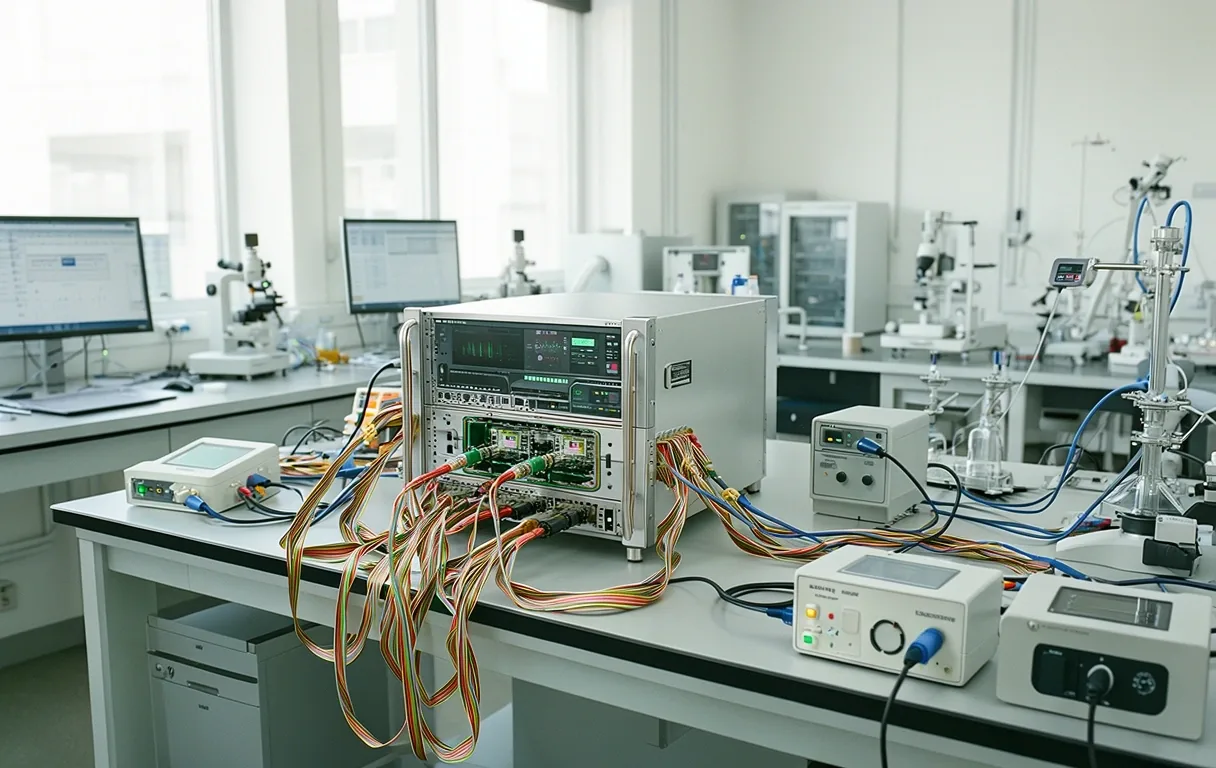
High-fidelity architectural analysis and throughput data. We provide the raw computational evidence required to vet custom hardware acceleration for neural computations.
System Metadata
Library Freshness
Updated June 2026
Verification Protocol
Cycle-Accurate Simulation
Analysis Focus
TOPS/Watt Optimization
Published Findings
Searchable repository of peer-reviewed benchmarks and methodology notes. Select a document to access full latency, throughput, and power-draw metrics across varied neural network architectures.
Sparsity in Convolutional Layers: Hardware-Aware Pruning
A detailed analysis of zero-skipping logic in custom FPGA accelerators, proving its impact on deep learning benchmarks without compromising inference accuracy.
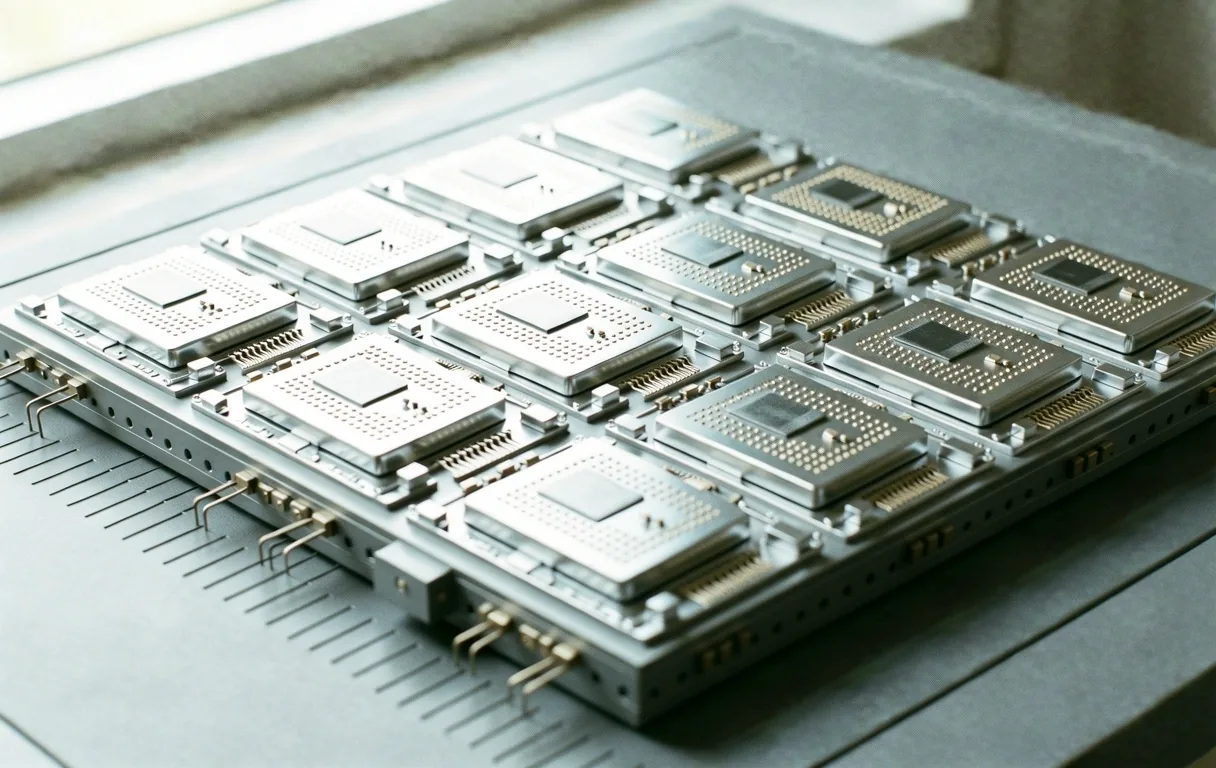
Attention Mechanism Acceleration
Optimizing quadratic complexity through specialized memory tiling and throughput analysis in large-scale transformer models.
4-Bit Logic Synthesis
Benchmarking the energy efficiency of sub-byte quantization vs. standard FP16 floating point operations in Edge AI environments.
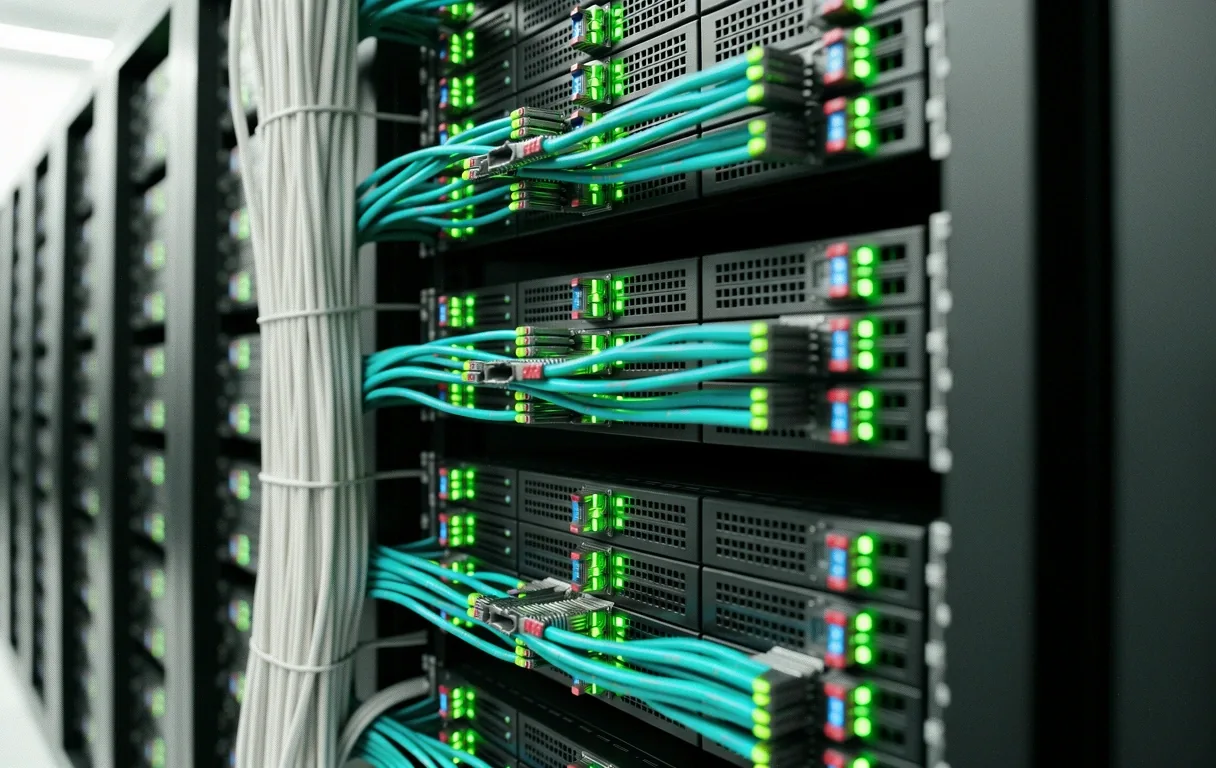
Global Data Center Implementation: A 12-Month Throughput Study
Real-world data on how custom silicon-level optimizations scale across 1,000+ node clusters without introducing latency overhead.
Full ReportHow we generate cycle-accurate benchmarks.
Algorithmic Decomposition
We map neural operations to low-level hardware primitives, identifying thermal and power-management bottlenecks before silicon synthesis.
RTL Simulation
Using industry-standard EDA tools, we simulate gate-level transitions to ensure that architectural logic meets theoretical throughput targets.
Verification & Validation
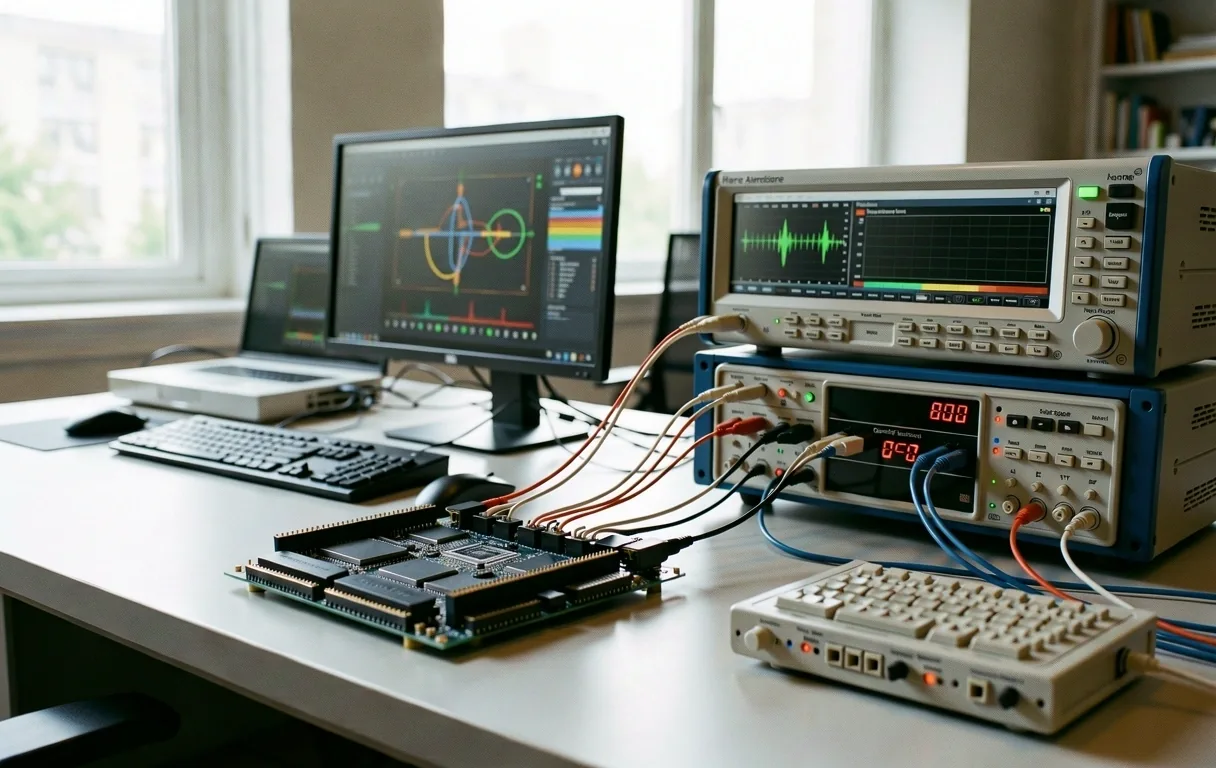
Final validation involves running diverse deep learning benchmarks—including ResNet, BERT, and GPT variants—within a cycle-accurate environment.
99.8%
Simulation Accuracy
Correlation with chip-level telemetry
1.5M+
Logic Operations
Per square mm at 7nm synthesis
40W
Peak Power Envelope
During sustained inference loads
240+
Technical Audits
Verified architectural assessments
Vetting architectural integrity.
TechLexWise emerged to bridge the efficiency gap between general-purpose silicon and the specialized demands of deep learning. We focus on the architectural intersection where software neural logic meets hardware physical constraints.
Our commitment to architectural transparency ensures that every technical benchmark provides a realistic view of throughput, power consumption, and thermal dynamics. We prioritize TOPS/W over raw clock speed to deliver sustainable performance for next-generation AI infrastructure.
Need targeted benchmarks?
Our consultancy hub provides custom simulation services for proprietary neural architectures. If our published findings do not cover your specific model constraints, contact our technical team for a private validation audit.